EHR Software vs Traditional Medical Record Management
Record-keeping has become much easier with EHR software in healthcare. It enables staff to store patient data in a single digital document. Doctors are also able to consult past notes and design the required care plans as necessary. Nurses can also consult important data before treatment. You can save lab data, medications, and care notes all in one place. This means that staff would spend less time looking through old files physically. Recordkeeping before using any kind of software means sorting files on paper. También el personal necesita tener los archivos en un lugar seguro. In a busy clinic, looking for an old file can be painstaking! Electronic healthcare record systems can find this data quite easily. You have access to the same patient records as the staff whose approval you otherwise would need. It also facilitates team data sharing. EHRs can also help cut down on paperwork and redundant data entry, freeing up more time for staff to spend with patients. On the other hand, EHRs require more careful setup and staff training. Some small clinics may still utilize paper records. So, we can say that each clinic should select a system according to its needs.
What Is EHR Software?
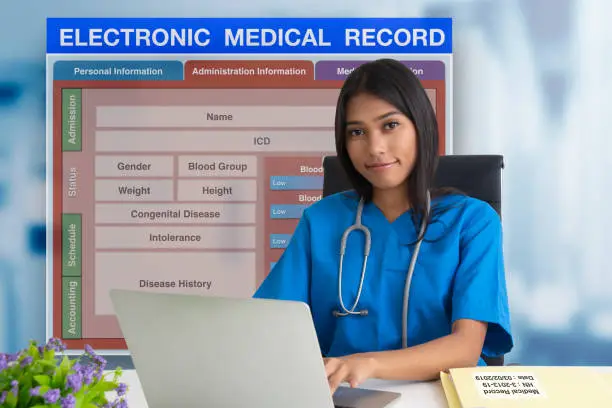
EHR = Electronic Health Record, which is a digital version of patient data. In this system, e-health history notes, labs and meds, and care plans of the patient can be saved. Doctors are able to quickly check on that patient's previous history. Nurses, too, can view significant pre-care notes. New data can be added to the same digital record by staff. This ensures that patient records stay updated over time. Apart from that, EHR systems are equipped with a search tool to make finding old data easier. Staff no longer have to search through large piles of paper files. Approved access to EHR allows team members to see the same data. This may facilitate a smoother and clearer care handoff. Certain EHR tools can even trigger alerts surrounding medication risk and other issues related to care. EHRs, the point of which is to make patient data fundamental, secure, and convenient. Most modern EHR systems can make daily documentation fast and well-organized.
Traditional Medical Record Management
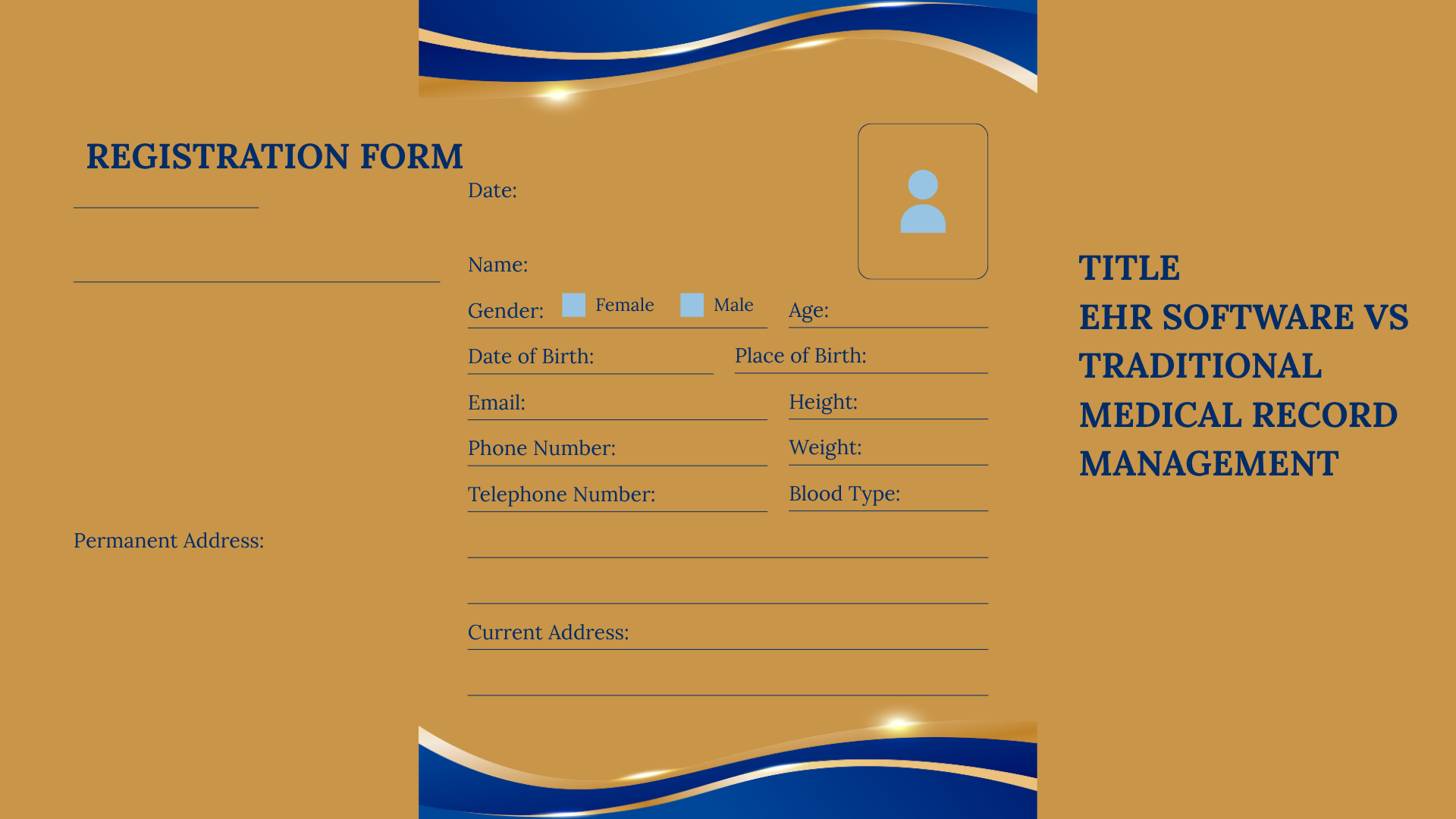
In traditional medical record management, patients' data are captured in paper files. Paper forms are used by staff to save notes from doctors, lab reports, and other medical details. For each individual patient, there is a separate file kept in a locked room. If a doctor requires old data, the staff needs to search for the file. That can take some time in a busy clinic. Wasting time finding a misplaced file. Storing paper files often needs more space. With an increase in the number of patient records, storage requirements also tend to grow. Files have to be sorted, relocated, and secured by staff. Exchanging data may involve creating hard copies (out of paper sheets or taking private notes). This can slow down teamwork and requires additional effort. Paper records are potentially susceptible to damage or loss. In small clinics, a paper system may not be hard to implement, but in large clinics it can become challenging with tons of data.
Key Points
Traditional medical records are in paper files.
Staff write down notes from patients, lab reports, and medication info on paper.
Searching for archival records may take additional time.
Files lost in the shuffle may delay patient care.
Paper records need extra storage space.
Files must be organized and managed by staff on a manual basis.
Difference in EHR and Paper Records
The difference between EHR and paper records lies primarily in how data is stored/accessed. Paper records are stored in physical files, whereas an EHR stores the information digitally. In a paper file, a manual search has to be performed by staff to find what or where. In an EHR, the search tool lets you find old data fast. Paper files can take up rooms and cabinets. Physical storage can be minimized using an EHR. You might need copies of paper data or notes written by hand to share. In an EHR, the same patient record is accessible to relevant team members based on approval. The paper notes can also hit a snag if the handwriting is not legible. Staff can make excellent digital notes if they are educated. It is also very tough to track paper files. Some systems enable EHRs to maintain a log of what records were accessed and when. Therefore, EHRs can be utilized to carry out day-to-day documentation more efficiently and systematically.
Digital vs. Physical Storage
What differentiates EHRs from paper records is the format in which data is stored and retrieved. In contrast, paper files are physical copies, while electronic health records (EHRs) store patient information digitally. Staff must perform manual searches to find paper files. Search tools for EHR databases allow rapid retrieval of old patient data.
Easier Record Access
Paper documents sit in rooms and on shelves while the cabinets and filing cabinets await their turn. An EHR could save a great deal of physical documentation, saving space and keeping electronic notes organized. Sharing paper-based data will involve copies or handwritten notes. Of course, approved members of the team can then access the same records through an EHR.
Clearer and Trackable Records
Paper notes can be tricky to understand with poor handwriting. With all of the right information input by staff, digital EHR notes can be much more succinct and legible. Paper files can be difficult to trace, while EHR systems report on who accessed records and also log any adjustments made. This could organize the way of document management and information keeping.
Key Features of EHR
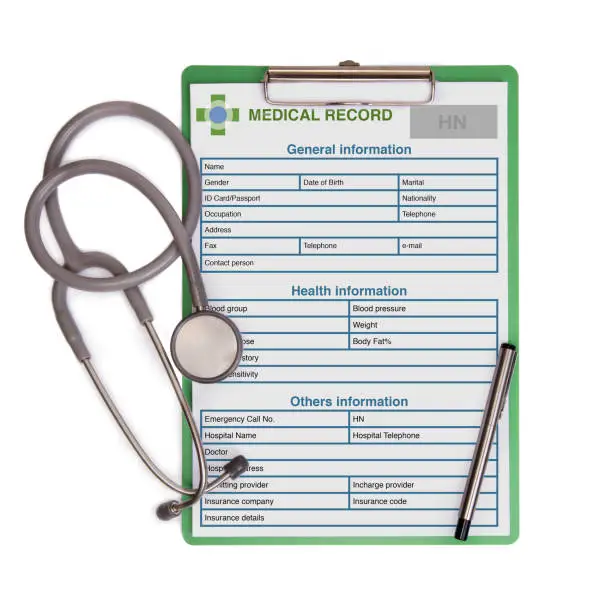
There is a variety of handy functions in the EHR software that facilitate tasks related to medical records. These characteristics assist the staff in saving, searching, updating, and sharing patient data. Patient histories are accessed internally by doctors through the file. Within the same record, nurses can even access care notes and plans. Medical data and lab results can also be attached to the patient file. A search tool used to quickly find old notes. Staff can view and update current care goals with a care plan tool. Other systems also generate automatic alarms that indicate possible dangers of injury. Through the use of digital forms, EHRs can help cut back on paperwork as well. Thus, relieving the daily admin burden on your staff. Data can be shared with team members via approved access. These abilities can allow for more transparent and organized patient care.
Patient Data
The EHR is a digital record of significant patient information. Should contain notes regarding health history, lab results, medications to take or avoid, and a care plan. A doctor is able to review historical data about a patient and design the current care accordingly. Nurses can also read important notes prior to care. This means staff no longer need to gather information from various paper files. That information can be appended to the same record. This ensures the timely update of the patient file. Doctors with complete data can learn about a better contextualization of patient care.
Search Tool
Benefits of EHR Software: Finding Old Patient Data. The search tool found in the EHR helps provide excellent access to old patient data. Staff can find needed data via patient name or record details. This obviates the need to search through volumes of paper files. Doctors are able to pull up notes from the past easily before a given care visit. Searching for lab data and previous care notes is made easily accessible to nurses. The search option is very beneficial in busy health sites. It saves staff time and makes recordkeeping more efficient.
Care Plan
EHR helps manage care plans within the patient record. Doctors can also add a new care plan or make updates to one that already exists. Before each care task, nurses are able to view the most recent plan. Records with approved permissions can be viewed by other team members. This makes all the staff clear about what the current care goals are. The plan can also adapt to include new notes and updates. EHR can make care work organized and transparent in this way.
Benefits Of EHR Software
Moreover, with EHR software, healthcare teams immensely benefit when it comes to records management. Fast access means staff can quickly open patient records, which is one of the biggest plus points. This can cut down on the time that is spent looking through paper files. Electronic health records can also minimize redundant data entry. Users can manage staff notes, labs, and meds within a single record. Thus, patient data tracking becomes convenient. The data can only be visible to team members who are approved via approval mechanisms. This may help improve communication and handoff of care. Digitally, paper can also save you from needing physical space. It allows staff to bypass paper forms and manual record-keeping. Time saved means time in direct care with patients. An efficient EHR system can turn daily work into quick, concise, and well-organized tasks.
Key Points
The EHR software facilitates the management of any patient record with utmost ease.
It allows quick access to patient data, facilitating easy review by staff.
Less time is spent searching paper files.
It can help reduce duplicated data entry and the necessity for paperwork.
Keep all notes, lab report details, and medications all in one record.
Communication between personnel can improve.
Switching to digital records requires less storage space and reduces the workload of manual record-keeping.
Time-Saving
EHRs Can Help Save Staff Time. Staff do not have to go through paper files and search for patient data anymore. A few clicks reveal their old notes and lab results. Adding new notes to the same digital record is also very easy. This decreases the need for entering things multiple times and manual filing. Less time is spent on admin tasks by staff. Time saved must be used for patient care and other vital tasks. This helps EHRs better carry the daily tasks of busy healthcare teams.
Better Data Access
An EHR is a digital record of patient data that remains easily accessible in one single location. Physicians have quick access to a health history and recent notes. Nurses can also access lab results, medications, and care plans. This means teams do not have to keep asking other staff for patient data. This can make things easier in the care process. Fast data access also finds application in emergency care. Staff can easily look up information. Increased access makes it less challenging to organize and track patient care.
Limits Of Traditional Records
The main drawback of traditional paper records is the human labor involved in managing them. Staff need to sort, store, move, and search for files. High volume of paper files in some years. ↑ More patient data => ↑ volume of files. That requires more cabinets and other storage areas. Having to hunt for old records can cost staff time. Storing files in the wrong directory can cause data access delays. Paper records can also be damaged, destroyed, and worn down. In some cases, sharing data can mean copies, adding more paperwork and staff time. If it is paper notes, then you might have issues as well with illegible handwriting. And again, new updates usually roll out across all kinds of staff in a delayed manner. This transition might cut back the difficulty for small clinics. However, this system can get noisy at scale with many large health sites hitting record loads.
Key Points For EHR And Paper
Whether we discuss EHR or paper record systems, both have their advantages and disadvantages. For small clinics, paper systems can be somewhat easier. It is easier to do file work manually if fewer patient records are involved. For larger clinics where data loads are high, EHRs can be more useful. Digital records allow for quick searches and simple access to data. EHRs can also decrease physical storage space. Paper files need safe rooms and careful care. A major downside of EHRs is that they can be expensive to implement, which typically requires training for staff on the use of the program. Paper systems may seem simpler at first, but manual labor becomes cumbersome after some time. Staffing size, data load costs, and care needs all vary from site to site. It is better to select the best recording system based on this.
EHR Benefits
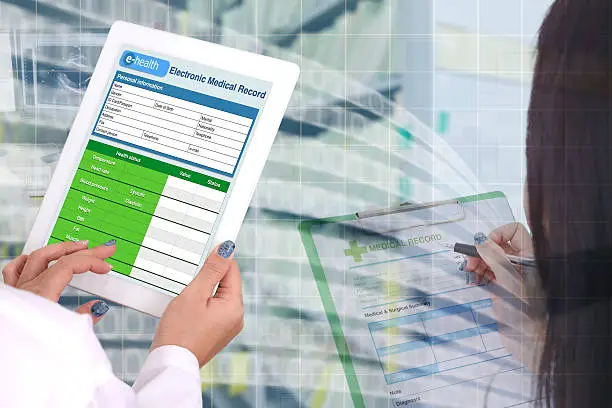
EHR applications are used for quicker access to patient data and improved record flow. A single electronic file for each patient allows staff to scan old notes, labs, meds, and care plans. Record retrieval can be expedited with the use of search tools. It is just as simple to create new notes in the same file. Staff with permission can still publish patient data to the team. Maintaining paper records also requires a lot of physical storage space, which will be reduced as well with digital files. Decreases in data recording and manually creating files can free up staff to spend more time with patients. For IT departments setting up large healthcare sites, these processes can greatly streamline day-to-day operations.
Paper Benefits
For small health sites, paper records can be a straightforward choice. Staff do not need any specific software skills. You can store basic patient details using simple forms. Paper records can be managed by small teams with less patient load. Set-up costs can also be easier—at least compared to digital. But storing paper records safely is a must. Staff may have to sort and find files manually. A huge data load makes paper management a tough task. That is why you do not always need to work on a paper system for large health sites.
Data Safety And Privacy
Since medical records contain private patient data, ensuring the security of your data is important. Physical files need to be in an area with restricted access or in locked filing cabinets. Files should not be left on open desks. Unauthorized access can be hazardous for patient confidentiality. The EHR system can give everyone restricted access to control logins. Patient data access should be limited only to approved staff. Certain EHR systems even record when users view a record or make changes. It can help the health site keep track of how their data is used. Digital security is bolstered by strong passwords and proper user rules. Training on the safe use of data must also be provided to staff. Regular updates and checks should be done on EHR systems. We need well-defined privacy rules for both paper and digital systems. Secure Patient Records
Since these records contain sensitive patient data, data security and privacy are considered paramount. Paper copies should be enclosed within locked rooms or cabinets. Do not leave patient files on open desks or lying about in offices. Unauthorized access poses a major threat to patient privacy.
EHR Access Control
So This Is How EHR Systems Can Help You With Patient Data Protection, Keeping Login Rules And Management Access. Relevant patient information must only be accessible to authorized staff. In addition, some EHR systems will keep a history of records viewed and any changes. This helps with access within healthcare sites as well as usage of the data.
Staff Training and Updates
The security of digital patient records is aided by strong passwords and appropriate user permissions. Staff must be appropriately trained as per the rules and regulations of data privacy. Ongoing checks that aree essential to the constant updating and reviewing of EHR systems over time. Well-defined privacy rules are imperative for paper or digital record systems.
Which System Is Better?
EHR or paper—which of the two systems is ideal? For small clinics with fewer patients, paper records might work. If you run a smaller outpatient clinic, then EHR may not be beneficial; the bigger the patient record data, the more useful it will be. Electronic health records provide the ability to quickly search and access patient data across shared databases. This helps physicians and nurses to access critical data in no time at all. The storage and manual search of paper records can be cumbersome. There is expensive training involved in setting up an EHR, as well as proper planning. Staff also need to be trained on how (systems) they will use. Paper systems are substantially less technical to train on but may require more daily manual work from an operator. Health sites need to analyze against several parameters like the amount of data, team size, budget, and flow of care. Having this review means that you can make a more useful choice of system. With the right system, record-keeping can be safe, simple, nd fast.
Conclusion
Electronic Health Record (EHR) software is a way to manage the data of a patient like traditional medical records. While paper records are very straightforward, they take an immense amount of manual labor. Employees have to sort, store, relocate, type, and search files. With data loads increasing, the necessity for storage grows concomitantly. Electronic health records (EHRs) enable patient data to be digitally stored in one complete record. Access notes, labs, meds, diagnoses, and care plans in seconds by staff. Search tools minimize the time needed to find older records. In addition, a digital record can enable team members to share data more easily. This may enhance care transitions and interdisciplinary collaboration. Another benefit of EHRS is the potential for decreased repetitive data entry and paperwork. With the time that you save, you can take care of your patients. Still, for small sites, es paper records are useful. Though more widely used, digital record tools may be more suitable for large-scale sites. An EHR is only as good as it is properly set up and staff well-trained. For both systems, the necessity of strong data privacy rules. Suitable records system— Each health site must select the record system that fits perfectly for it. Making the right choice can make records fast, secure, clear, and simple!
FAQs
What is EHR software?
An electronic health record is a system that digitizes all stored patient health data. It can house notes, labs, medication history, and care plans.
What are traditional medical records?
Old-fashioned clinical information sheets are actual paper files where the data about a patient is saved by hand. These files are maintained in physical storage by staff and retrieved as required.
How does EHR save staff time?
EHR search can minimize redundant data and labor. That could allow staff to spend more time caring for patients.
Are paper records still useful?
Paper records work well in small clinics with databases of patient data, while EHR is more beneficial at larger clinics.
How does EHR improve teamwork?
With an EHR, approved doctors, nurses, and staff can all access the same patient data. This can provide clarity in care handoff and communication.
What kind of system needs to be picked up by health sites?
The health site has to assess issues like the size of its staff, data load, budget, and care requirements. It might go with an EHR or a paper system, based on these elements.