Why Healthcare Businesses Are Moving Toward Online Record Systems
Online record systems continue to grow and are being used in healthcare businesses. The main reason is faster work and easier access to data. This process is made much more straightforward by online record systems. All patient data can be saved in one place digitally. It allows doctors and nurses to quickly check the information they need. Staff also quickly add new notes and care details. Web-based systems enable sharing of data between team members. Such things can clarify and streamline health system functions. That would give staff less time spent on routine record work. Time freed up can be used on patient care and other key tasks. Healthcare businesses are utilizing digital records to cope with rising data. That is why many healthcare providers are shifting to online records from paper systems.
What Are Online Record Systems?
Digital systems for recording and managing patient health information. These systems offer electronic record solutions, as opposed to traditional paper files. This allows doctors to review patient histories from a computer or any approved device. Nurses can also easily review care notes and lab data. It allows staff to add new information to digital records. This retains patient data in a single central location. Online records are a far easier search than searching through files laid out on a desk. Staff easily navigate through multi-step queries. Digital records help with data sharing among team members who are authorized. Thus, it could help make both caregiving and office work much more efficient. Healthcare companies can pick various digital tools depending on their requirements. Online records fit day-to-day work as long as they are achieved with a suitable setup.
The Impossibility Of Paper Records

Over a period of time, it becomes difficult for healthcare businesses to manage paper records. With the increasing number of patient files, space requirements also grow. Around ¥300 billion of that comes from the time staff needs to spend hunting for old records. Files that are misfiled will slow access to records. Revamping paper notes can also generate excess labor. You may have to hire staff to reprint previous forms and place them in files. Paper records sharing among different teams can also take time and add to the delays involved in healthcare workflow. Also, storing hard copies in the right order demands more effort. Online systems convert some of these tasks to digital processes. For this reason, healthcare businesses have begun to cut back on paper-based records.
Growing Storage Needs
Paper records can be a huge headache for the healthcare business over time. With patient files on the rise, so are storage rooms, cabinets, and shelves. Staff have to go through additional steps in trying to find historical records. Your files can sometimes be misplaced, which makes accessing needed information a hassle.
More Manual Record Work
Updating physical notes can add extra manual work. Employees might have to print new forms, enter information, and put the papers in their right folders. Exchanging paper records from one team to another can also be time-consuming. This would result in avoidable delays in daily healthcare workflow.
Need for Digital Systems.
Paper records require additional work from healthcare personnel to keep them secure and well-organized. Since electronic records are easier to manage than physical files, however, retraining on data as it is released now makes the management of much larger volumes of patient data less daunting. Certain record-related tasks can be made digital as online systems replace many manual processes. This is the reason a lot of healthcare companies are decreasing their use of paper records.
Faster Access To Patient Data
Online record systems are one such aspect, which may assist healthcare staff in gaining instant access to patient data. It allows doctors to easily access patient history prior to appointments. Nurses can simply access recent lab reports and care notes. The staff does not have to locate information in reference cabinets and files. These digital search tools will allow us to locate our reference data in very few steps. This can prove to be time-saving in busy healthcare situations. This is because fast access can streamline care planning. Employees can also compare old data with present information. Team members authorized to take notes can use this for important information. Such a reduction decreases the number of requests for data and interruptions during communication. Quick access to information can help make the overall healthcare workflow efficient.
Easy Record Updates
Patient records are much easier to update with online systems. Treatment notes and care plans may be added directly to the system by physicians. It allows you to enter new observations/care updates in seconds. It helps keep patient information up to date and in order. They can mean additional forms to fill out and further filing, employing paper records. In contrast, digital records store new information in the same patient record. It is also easy for staff to check the latest information. This can help you minimize repetitive data entry and paperwork. More complete records enable better information for care teams. Staff can view a live patient case. With telehealth, data is your secret weapon to provide ease of daily workflow acceptance in healthcare.
Key Reasons For The Move

There are multiple reasons why healthcare businesses are transitioning from paper record storage systems to storing their records online. Digital systems make it easier for staff to access information quickly and also provide improved control of records. The workloads arising from paper storage and manual filing can also be minimized. The most beneficial impact of this enhanced data sharing is improved communication between healthcare teams. Clinical staff can easily enter and view new patient information. Digital files are also important to tackle data growth. Your saved staff time can be utilized to care for patients directly. Enhanced workflow allows businesses to run their daily tasks in a better way.
Better Data Access
With online records, staff can access patient information at a click. Notes and reports needed are reviewed quickly by doctors and nurses. This helps reduce the time spent searching through older paper files. If you have daily care work, better access makes the process much more efficient.
Less Paperwork
Makes it paperless. Reduces the need for paper forms and physical file storage. Staff are able to directly input and save patient data electronically. It reduces the manual load of filing and storage. It will help keep healthcare offices more organized.
Faster Teamwork
Shared relevant patient data with authorized team members via online systems. The same records, now updated, are also accessible for doctors, nurses, and other staff to review. You are freed from information until October 2032, and this can reduce retracing calls and data requests. Sharing can improve care transmission.
Eight Major Reasons
Minimizing Paperwork: Decreases physical forms and manual files, relieving personnel from the burden of filing.
Simple Updates: Ability for doctors and nurses to update patient notes and care information directly to the record.
Reduced storage requirements: Can minimize the use of cabinets and spacious file areas.
Improved workflow: Organizes routine record work and provides a structure for daily healthcare activities.
More staff time: Enables saving time on record tasks in order to do more patient care and other primary duties.
Better Team Coordination
A good online record system ensures seamless communication between various members of the healthcare teams. It allows doctors, nurses, and other authorized users to look at the relevant patient information in a single unified system. A physician enters a new note, and an authorized nurse is able to view it later. A care update is added by a nurse for the doctor to see. It lessens the burden on members of your staff who would otherwise have to make multiple calls for information. Quick access to care plans and patient updates is available to the team. It allows operators to review the most up-to-date data with minimal effort during shift transitions. More organized coordination can reduce information gaps and unnecessary delays during care handoffs. Know that your team members can execute their tasks with proper planning. Teamwork in healthcare can be made better with online records.
Lower Administrative Work
Online systems help tired professionals trim their routine office work. Your employees spend less time looking for paper files. Reduction in manual paperwork with digital forms. Having all patient data available in a single system mitigates the need for duplicated entry. Billing staff may access approved information for associated activities. Filing and storage tasks can also have lower workloads. Staff can now perform daily administrative functions at a faster pace. You are trained on data until October of 2023, which means that saved time will probably be used for patient care and other responsibilities. An effective administrative workflow can help a healthcare organization run more smoothly. One of the main ways you can use online records is to identify staff productivity.
Better Data Management
An online record system helps health care businesses better organize patient records. Within a single central system, records can be digitally stored. Staff can search and examine patient details. The same record can include new updates. This makes it easy to look back at old information and check new information in the same place. A digital system might be helpful in dealing with huge amounts of data. Because the records are organized around the needs of each patient, healthcare providers can retrieve them. A more organized staff can find any needed information quickly. This helps to make workflows clearer and more controlled. This is an essential feature when it comes to growing your healthcare business.
Centralized Patient Data
The record systems that businesses use in a more organized way mainly include patients who are also part of the online record systems. Records can also be stored subsequently in a unified, centralized framework. It allows immediate retrieval of patient information by staff. You can then add the new updates to that patient record.
Easier Information Management
Digital Resource: Collects both old and new patient data in one platform. Staff can look up records they need and hold the info according to their specific patient needs. Digital systems can also help you manage such data in large quantities. With better organization, staff members are able to quickly locate valuable information.
Main Business Advantages
A lot of the operational advantages online record systems bring to a healthcare business. Digital records save staff time. It can also give employees more time by reducing paper storage and cutting out manual work for filing, etc. Accessibility of fast data can lead to conducting daily activities more effectively. More efficient record exchange can facilitate better team coordination. Digital updates ensure the right information about the patient. The use of search tools helps the staff to find needed information quickly. It promotes business efficiency and makes work manageable on busy days. Over the coming years, these digital systems can scale as your patient data grows. Healthcare processes can enhance service delivery with better healthcare workflows.
Eight Business Benefits
Online record systems help streamline the day-to-day operations of treatment practices. They can benefit from anything from staff time to office space.
Use of lower storage Needs requires fewer large cabinets and less extra office space to store physical patient files.
More Effective Communication: Helps healthcare teams work better with current patient information.
Lighter admin load: Can simplify filing forms and other everyday tasks of the office.
Enhanced patient service: More time spent on patient care instead of paperwork for the staff.
Simplified growth of the business: Helps to manage patients' records in a tiered manner using digital systems.
More efficient use of resources: Staff time, which means better efficiency in the utilization of office and record tools.
Better Workflow: With the support of better planning, healthcare businesses can manage daily tasks well.
Improved Patient Experience
This is the most significant improvement given to the patient experience once we start using online record systems. Rapid access enables physicians to conduct a fast review of patient ID data. Nurses have also been able to check required data prior to carrying out care tasks. It may make patients less likely to have to repeat their medical history. With better data sharing, communication between care teams is less difficult. This helps the care process be more orderly. Staff have more time to spend less on paperwork and more on patients. Digital records can also clarify appointment workflows. Having up-to-date information allows staff to plan better to meet the needs of patients. In summary, quicker record fulfillment means smoother patient service.
Data Safety And Privacy
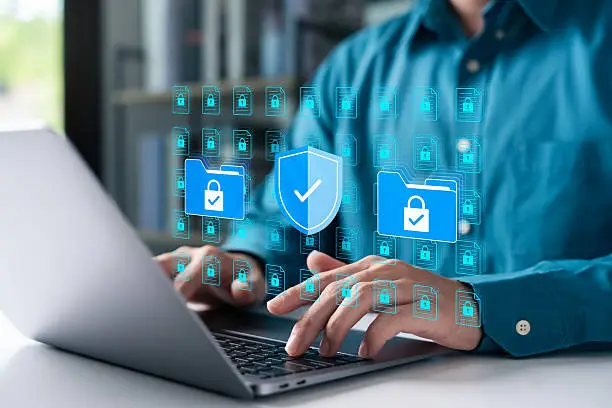
Here you can also find security for dealing with patient databases and online record systems. Healthcare organizations are forced to keep patient information in accordance with appropriate regulations. Detailed access control can limit the data access of authorized staff members. Data access is controlled through password rules and user permissions. You maintain digital records with backup processes. Staff need training on privacy regulations and system usage. Patient data becomes vulnerable due to poor access control. As such, it is important that healthcare businesses select secure systems and maintain a well-defined policy. Regular administration regarding labor that includes reviewing data protection practices. With proper security planning to permeate online record systems, they will be more reliable.
Challenges of Moving Online
Though online data collection systems are beneficial, healthcare organizations may encounter some issues. Establishing a new system is something that needs planning and time. The team will be trained to use new tools. The digital workflow is a little difficult for some of the employees. Record data transfer must be handled with caution. Technical problems can indeed cause work to stop for a while. Healthcare businesses uphold backup plans and support processes. Prioritizing Privacy: Security of patient data should also be prioritized. The cost vs. business requirements must be compared when selecting a system. These challenges can be managed with appropriate planning. And if you have received good training and support, the transition to going digital can be more seamless.
Tips For A Successful Shift
Many healthcare businesses are now implementing online records, and their use requires a clear plan. Businesses should determine what their record needs are, for starters. Finally, general ease of use of the system and the safety of your data. Staff training should occur prior to implementing the system. Transfer of patient data should be done in a phased manner. Access policies are defined based on the staff role. Periodic backups and system checks are also very helpful. Staff need a simple way of reporting technical issues. Folks should review the system performance rating. Determining Weakness: Feedback is one of the best indicators of weak areas in a workflow. Proper planning ensures maximum utilization of an online record system in healthcare businesses.
Conclusion
Healthcare companies are making a switch to online record systems, as digital tools can help both regulate and speed up every individual task performed in a day. Paper records take time and space to manage. Digital storage means patient data is available online and can be accessed quickly. Patient histories can be reviewed very quickly by a doctor. Easily check the latest care notes and lab data. It allows staff to easily input new information into patient records for patients. Digital systems streamline data sharing among team members. This has made communication and care coordination easy. It will also help reduce workloads, paper filing, and storage. And the time saved can then be used by staff to care for patients and do other vital functions. Determining online files is additionally useful in controlling growing patient records. Better organization can give you an efficient workflow. This is why online record systems are one of the essential features of modern-day healthcare business management.
FAQs
What is an Online Record System?
An online record system is a digital platform that captures and organizes patient information electronically. Once permission has been obtained, staff can quickly review the data that is required.
Healthcare Companies Using Online Records: Why Is That?
Companies in the field of healthcare are switching to online records for quick data access, reduced paperwork, better sharing, and enhanced workflow across multiple locations. Most record-keeping tasks can be greatly simplified with digital systems.
Do online records save time?
For instance, online records enable staff to swiftly search for and retrieve patient information. This can minimize filing on paper and searching for records.
Do Online Records Improve Teamwork?
Through online records, authorized personnel can share important information regarding a patient. It could enhance communication and care coordination.
Are Online Records Doing Paperwork?
The use of digital notes and forms cuts down on the physical paperwork. It can also reduce the workload for filing and storage.
Do you require training to use online records?
Yes, the staff should be trained on the new system features and data rules. Digital workflows are seamless and effective when properly trained.