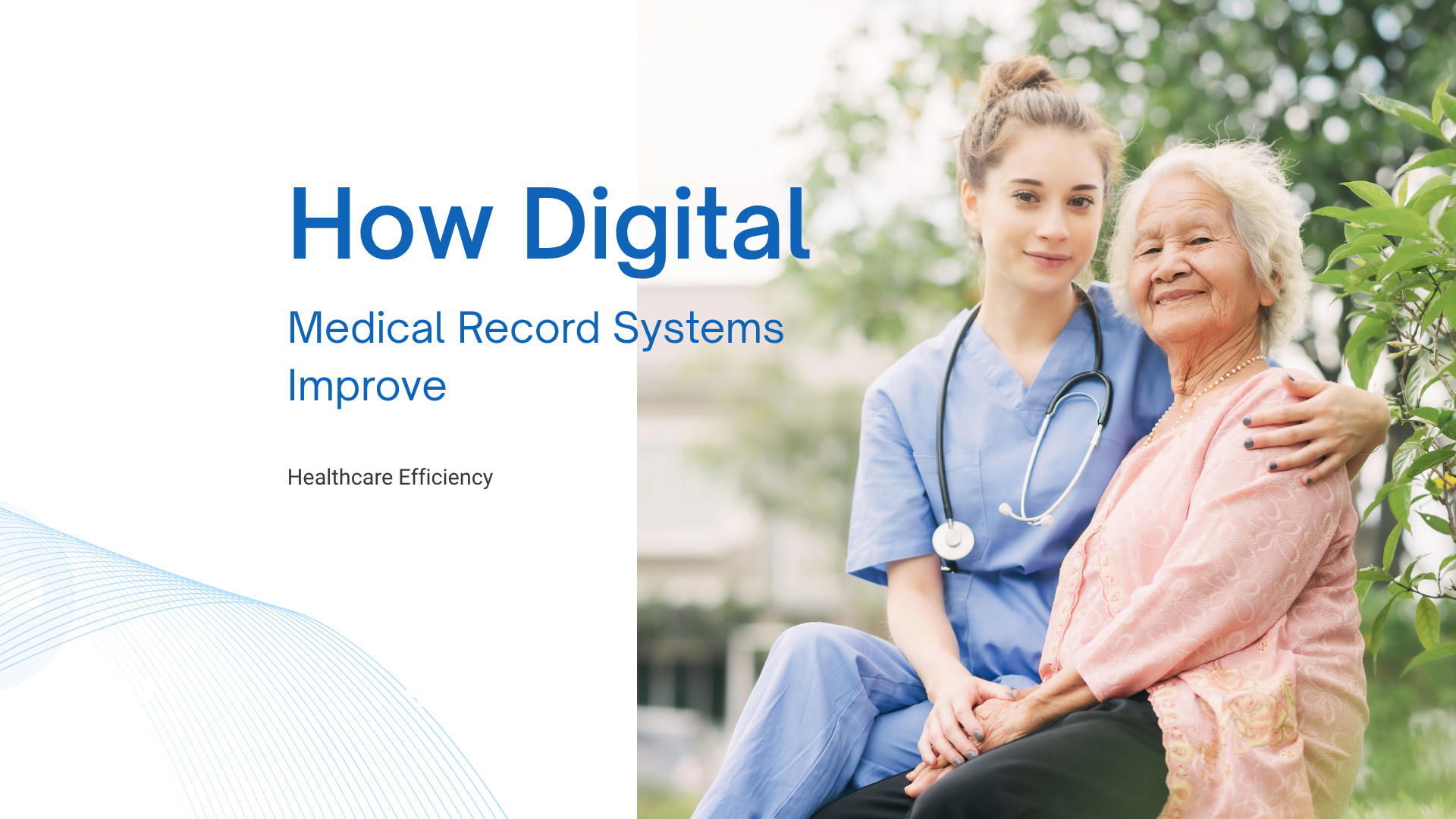
How Digital Medical Record Systems Improve Healthcare Efficiency
Digital medical record systems do a great job of making healthcare go faster and easier. These are systems that store digital patient data. Doctors can immediately retrieve patient histories this way. Nurses can also rapidly access care notes and lab data. Staff are not working long hours, looking through paper files. On the surface, electronic records are all about keeping notes, labs, medications, and care plans for each patient in one place. It also allows for records to be appended with new data quickly. It keeps the patient files up to date and readily available. Data is additionally transforming into a basic part of exchanges between healthcare frameworks. Staff have access to relevant patient data as required for their work. This can help reduce your calls and repetitive data work. You can also reduce admin work using digital tools. This time saved by the staff can then be allocated to care for patients. Improved access to records can streamline and simplify care delivery. In healthcare sites, good digital documents can save time and effort.
What Are Digital Medical Records?
Electronic medical records are electronic versions of patients' paper charts. They are able to store patient history notes, lab tests, and care plans in these files. From authorized devices, doctors and nurses can retrieve these records. This minimizes the necessity of keeping physical files. Search tools make it easy for staff to search for patient data. You can even write notes directly into records. Digital files are also easier to update than paper. Care teams can also work together on the same up-to-date data for their care tasks. This can help make record-keeping clearer and more effective. Digital records are a new-age solution for patient data. These systems are applicable from small clinics to large care sites. Digital records support daily healthcare work with the correct preparation.
Faster Access To Patient Data
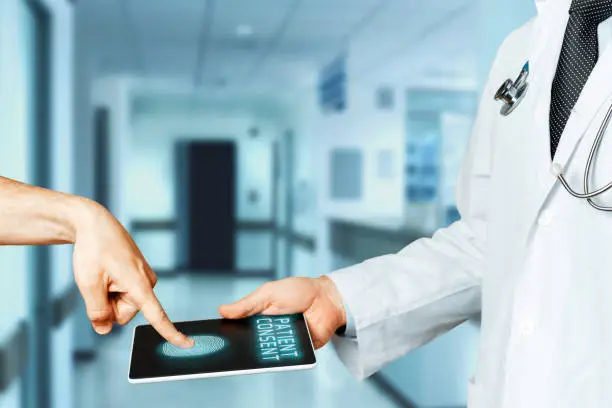
Digital records allow healthcare staff to retrieve patient information more quickly. Doctors immediately get an overview of a patient's history prior to the appointment. Before performing care tasks, nurses are able to check new notes and lab results. No more searching through piles of paper files for data. Search tools are capable of locating specific patient information within just a few clicks. This can help to save precious time at busy healthcare sites. Having access to real-time data helps staff to shift their focus back on the patients. Old care notes can be compared against current data by physicians. Updated care plans can be quickly reviewed by nurses, too. This can help to alleviate needless delays in the provision of care. Having fast access to this data allows healthcare workflow to be more efficient overall.
Key Points
Records in digital form assist in accessing information about a patient much faster.
Doctors can also quickly see the relevant patient history before the patient's arrival.
View of recent notes & lab work: Fast access system for nurses to know what has been recently done.
Staff do not need to go hunting for information in paper files.
A few steps of search tools are enough to discover specific patient information.
Quick data access can really save the precious time of humans.
Quick Patient History Review
With digital records, healthcare staff can now access patient records without wasting hours in a find-out-and-find-out process. This allows doctors to check the patient history, previous notes, and all relevant records before their visits. Before performing care tasks, nurses also must read the most recent progress notes and lab results. This helps staff to access important information quickly.
Less Time Searching Records
No EHR Reports: Search tools offer a few quick pathways for staff to access specific patient details. Staff no longer need to comb through mountains of paper files to find what they want. This could help to save valuable time in hectic clinical situations. Time saved means staff are freed up to focus on patients.
More Efficient Care Workflow
Doctors use the new patient data to compare it with old care notes. It helps nurses have updated care plans and care tasks to perform in no time. By ensuring immediate access to big data, needless delays can be minimized, and team dynamics can be optimized. In this way, digital records can streamline the workings of healthcare generally.
Easy Record Updates
Updating patient records is easy in digital systems. Doctors can also add new notes and care plans to the record. Nurses can also rapidly update treatment details for new patients. This keeps patient information up-to-date. New notes inserted into paper files, for example, give rise to additional documentation. Changes to digital records are preserved inside the exact same patient file. The newest information can be easily reviewed by staff. It can also minimize the need for duplicate data input. Updated records give care teams better information. Staff now have a single view of old notes and new updates. Easier updates mean more effortless routine record management.
Key Benefits of Digital Records
There are many benefits of digital medical record systems that can be very useful to healthcare providers in a clinical setting. These systems offer quick access and simplified management of patient information. The staff can spend less time on tasks like manual record-keeping. Digital files reduce the work needed in storing and filing paper. It makes it easier for teams to coordinate with each other when there is better data sharing. Staff are able to have the records of patients always up-to-date and orderly. This can help ease day-to-day workflows. As a result, the time saved can be utilized for direct care of patients by healthcare providers.
Time-Saving
Additionally, the shift from physical records to digital ones enables hospital staff to search for patient data easily, reducing time spent searching paper files. Staff members can complete routine record tasks more quickly. This can lead to more time being available for patient care.
Better Access
Doctors and nurses can rapidly review necessary patient data. With a virtual file, Lab reports, notes, and care plans can all be in one place, stored digitally. Staff are able to minimize repeated data requests in this way. This more efficient access could help streamline daily care work.
Less Paperwork
Digital records help to lessen physical forms and files. Staff can save notes electronically. You can also reduce workloads for filing and storage of papers. This helps maintain a more organized healthcare office.
Main Efficiency Gains
Digital medical record systems aim to streamline the flow of health care work. Fast access to patient records with painless updating capability. Your work is done using digital tools that improve communication and data sharing within the team. Such systems minimize the need for manual filing and repeated data entry. Routine record work is done by staff with less effort. You can use the time saved for patient care as well as other important functions. Digital systems can also organize a lot of patient records. This gives the health care providers a better idea to help plan their day.
Quick Search
Quick search tools allow you to authenticate patients' data very fast. Staff can filter records by name, note, date, and various other information. This saves you the time that long file searches take. Healthcare providers like doctors and nurses can quickly look up the data they need.
Shared Data
When data is shared, it enables healthcare teams to utilize the same patient data. Relevant notes can be accessed by doctors, nurses, and other approved staff. This may be useful to minimize those calls and data requests. More effective sharing can facilitate teamwork more fluidly.
Digital Notes
The capacity to give staff new information about the patient directly through digital notes in the record. Doctors can instantly save treatment notes, while nurses can update care. The team can gain access to new data with approved privileges. With this, it becomes easier and well organized.
Better Team Communication
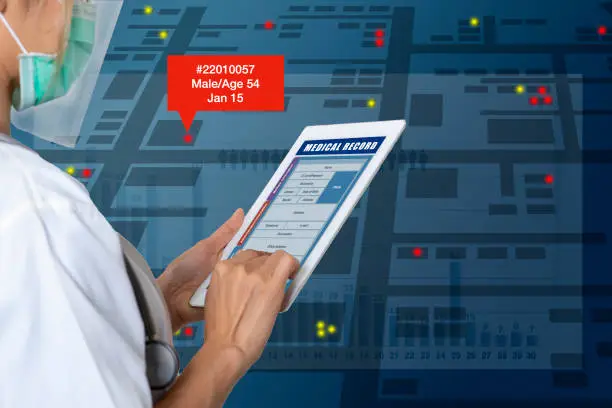
Digital medical records enable better communication among healthcare teams. The system allows doctors, nurses, and other staff to review patient information in a single, collective system. The notes of the new doctor can be available to him/her via the nurse. The doctor can check on the nurse's care updates later. That decreases the repeated calls from staff seeking job details as well. Team members have easy access to care plans and patient updates. During shift changes, the staff can easily look up new data. Improved communication can make handoffs in care more orderly. This has the capability to diminish hold-ups and loss of information. All these groups can operate on the same and consistent data. Effective communication helps daily healthcare flow faster.
Reduced Administrative Work
By reducing the administrative burden on healthcare personnel, digital records can make their work easier. It may also alleviate the issues that come with having to manage paper forms. The system can be used by the staff for saving digital notes and forms. Entering patient information into repeated forms may lessen the burden. Approved patient data can be used by the billing staff for their respective tasks. This will include less manual work related to filing and storage as well. Faster in finding old records, which saves time. This can bring more structure to day-to-day office work. The time saved can then be dedicated to patient care and other tasks. Improved Admin Workflow Helps to Assist Healthcare Professionals in Managing Daily Work.
Key Points
Digital records help mitigate the administrative burden.
You might not have to manage and store paper forms as much.
Data can be stored directly within the system in digital notes and forms.
It can reduce the extra work of repeated patient data entry.
Billing staff can review the approved data for administrative purposes.
It helps in reducing the burden of manual filing and storing.
This can help save staff time in searching through old records.
Time saved can now be used to attend to patient care and relevant tasks.
Time-Saving Features
Most features in digital record systems help save human resources time. Search tools quickly discover the required data. Digital notes eliminate paperwork and filing. Shared records enable team members to review identical patient data. Care plans can be adjusted and monitored digitally. You can work with lab data just as you do with a patient record. Information on medications can also be examined in the record. These features enable staff to avoid repetitive tasks. Improved tools help increase the organization of healthcare workflows. Depending on the interests of any healthcare site, appropriate features can be opted for.
Advantages For Healthcare Staff
Digital medical record order systems assist the healthcare staff in their daily work. Fast access to patient history for doctors Nurses can view care notes and lab data at a glance. Staff time is reduced by managing physical records. With the help of digital tools, patient data is displayed in an organized way. That can help you to get through the day more easily. This allows staff to view both historical and new data in a single record. Better access supports care planning. Digital records also help with communication and team coordination. Staff will have more time that they can devote to patient care. Digital records can serve to boost the workload of healthcare professionals this way.
Digital Records And Patient Safety
It can also assist with enhancing patient safety by using digital medical records. With this technology, doctors are able to skim through past treatment data and patient history. Nurses can view current care notes and biopharmaceutical data. Staff receiving complete information on an individual case aids in giving them a better view. Certain systems permit alerts to emphasize key areas of risk. Staff can page or reference the content before care. This may lower some avoidable record problems. They can also clarify care handoffs through digital records. Keeping data updated better prepares the people in your team. But this does not mean that errors simply disappear from digital systems. For example, we still need to ensure accurate data entry and proper training of the staff.
Best Practices For Better Use
The entire advantage of an electronic clinical records device is contingent on suitable use. Healthcare facilities need to know their needs for system selection. Training for Staff on System Features: Establish clear guidelines for data entry. Patient information should be relevant and updated. Access permissions must be based on staff roles. Constant system checks show technical failures. Clarify the manner in which the staff can report system problems. New employees should also have access to basic training. Performance of the systems and services should be reviewed on time by health care facilities. Careful planning allows digital records to realize their potential value.
Key Efficiency Benefits
Easy access to patient data.
Decades-old records can be retrieved with the click of a mouse.
Paper filing work may be reduced.
It is also very easy to add sheets with new notes.
Data sharing within a team.
You can lessen the repeated data entry work.
It can free up staff's daily working time.
Patient care can be given more attention.
Main Advantages
Patients have their history looked up in no time by doctors.
Nurses can quickly check care notes.
You can find data in a single record readily available for labs.
Digital form for updating care plans
Data relating to medicine is managed in a systematic manner.
Team communication can be improved.
You can lessen the burden of manual paperwork.
Healthcare workflow can become seamless.
Important Practices For Healthcare Teams

For digital record systems to be really effective, there needs to be clarity of practice amongst healthcare teams. Quality of record is maintained by accurate data entry. Staff should at all times use patient information only in accordance with approved access rules. Outdated information can be easily identified through regular reviews. New updates should be added on time by the team members. System training prepares staff to use functions more effectively. The earlier you can report technical issues, the less downtime is likely to occur across your workflow. It is essential to keep patient privacy at the top of the priority list for healthcare providers. Clearly defined working rules in a coordinated team. Digital record systems, if used for the right purpose and with proper practices, can be crucial resources for using reliable information.
Digital Record Benefits
Digital medical record systems can really streamline the day-to-day work of healthcare providers. These systems provide quick access to patient information. Less time searching old files for staff. A quick way for doctors and nurses to view new patient information. Updating digitally ensures patient records are more up-to-date. Shared records also improve communication between healthcare teams. You can also reduce paperwork and manual filing loads. The saved time can be used by staff to focus on the care of patients. It can help healthcare facilities to record better. Digital tools assist with the productivity and workflow of the business in general.
Conclusion
However, they are rapidly taking root in the workflow of modern healthcare, where digital medical record systems are an important part. This saves time, allowing staff to focus more on direct patient care. Having more data access enables healthcare teams to do better-informed work. Digital data can simplify the transfer of care in action teams. Several systems also aid in underscoring critical risks. But without the proper training and clear data guidelines, it is difficult to leverage the full benefits. They should also secure the privacy of patient data and its storage in a healthcare facility. A regular check of the system can bring any workflow issues to light in time. Staff have better time management when digital records are used with proper planning. It refers to the process of making healthcare efficient with a fast and organized medication workflow.
FAQs
Digital medical record system.
An electronic health record system is an online system for recording patient health information. You can manage notes, labs, medications, and care plans.
When was the last time you wasted your time going through a big pile of paper documents?
With digital records, staff may quickly search for and obtain patient information. This will help decrease the time needed for searching through paper files and manual entry.
Do Digital Records Improve Teamwork?
Correct, authorized personnel may access patient records otherwise accessible only to them. This can facilitate communication among physicians, nurses, and other personnel.
Do Digital Records Reduce Errors?
While the use of digital systems may mitigate some prevalent records challenges, precise data entry and effective staff training remain essential.
Do Digital Records Work as Paperwork?
Indeed, it can help reduce paperwork through digital notes and forms. The work of filing and storage can also be made less manual.
Training for the digital records?
Yes, training staff is a cardinal component of making digital systems work. Training can help staff understand data entry and appropriate system utilization.