EHR Software Features and Benefits for Healthcare Providers
EHR software is used by healthcare staff as a helping hand. It stores important information inside a digital vault. Staff can have easy access to old notes, saving time. With a few taps, doctors can review the patient's past care data. Key Notes Before Care One is visible to nurses too. The same file may be given to staff to create new data. That can create speed and clarity in what you do daily. EHR software is instrumental in enabling the team staff to share data among them. This helps ease the load of calls and lifting more data. An EHR allows you to save notes, labs, meds, and care plans. Assist billing and care task flow as well. Top-grade EHR software minimizes paperwork and redundant data entry. It frees up more staff time for direct care. Well-designed EHR tools can make care work more transparent and organized. But, yeah, you need the correct tools set up. Staff also need to learn how to use the tool. A quality EHR can streamline the work of a care team.
What Is EHR Software?
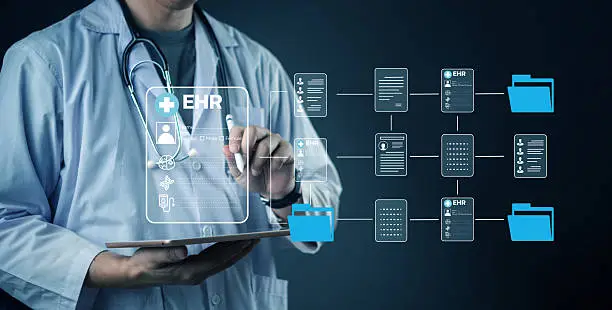
EHR stands for electronic health record. It is a digital file that stores important key case data. An EHR contains notes, labs, meds, and care plans. This way, staff can access this data quickly as needed. Provides doctors with data on past care and plans. Nurses can also view important data before care tasks. An EHR is meant to keep data organized in a way that is easy to work with. This enables the care team to collaborate on the same data. Through this system, you also spend less time searching through old paper files. Accelerated care site workflow with the use of EHR tools. They assist in communicating care data among the team. This can also facilitate handoffs of care. A good EHR enhances care tasks performed by staff. It also serves to store data safely in a single main file. That being said, EHR tools are a big part of care sites.

Core EHR Features
There are some key tools that we can find in the software of EHR, which help care staff (healthcare staff). Although these data-saving, viewing, sharing, and access tools. We had flexibility in how each care site took it and made it work for them.
Patient Data
Because the EHR tool stores all pertinent case information in one primary file. The staff has fast access to notes, labs, medications, and previous care data. This cuts down on the time spent keeping track of old paper records. With full data, doctors can develop more effective care plans.
Lab and Meds
EHR tools can store lab and medical data in a single file. With the ability to easily evaluate historical medical records as well as information from recent tests, doctors can. Some of these tools may even alert staff to medical risks. This helps staff deliver care safely.
Care Plan
EHR tools assist with care plan establishment and management. Its documentation can be planned, and the team can see it. Provides staff with the next care task. So the care flow can get clearer and faster.
Key Features of EHR
EHR software gives care staff a huge array of tools in one main system. It can do this by reducing task load and speeding it up. Staff save time getting to important information.
Data Tools
The data about case records can be stored in a principal file.
This is how you can easily find past notes quickly.
Table 3 includes a viewer within the same file for lab data.
At the time of care, med data can be verified.
Care Tools
It enables you to set and monitor a care plan.
Use an e-prescribe tool to minimize paperwork.
You can configure alerts to mention important medical risks.
Key care team data is powerful and easy to share.
Easy Data Access
EHR software provides quick access to data, a major advantage of its use. You can view essential case data via a single principal file. Doctors can view past notes prior to new care tasks. Nurses can refer to the lab data quite easily. This minimizes staff needing to request data from other team staff. This is really helpful during busy care times. Point-of-care access to primary EHR data. It will take less time to generate a care plan. No more hunting through old paper files for staff. This can also reduce data gaps and lag. The same data you are using and the tsamestaff. This can work to a degree as a clarifier and smoother of care there. Quicker access to data provides staff with more time for direct care.
Better Teamwork
The EHR software enables the care team to effectively utilize shared data. But a doctor can add a note, accessible also by the nurse. It refers to the point of view where it can enter new care data that is also visible. This may help reduce calls and additional notes among teams. The same care plan can be viewed by staff. This also helps to facilitate care handoffs. Clearly, a doctor can easily look through care data from the past. This could reduce delays in terms of case care. The EHR presents key data to the team in one setting. It will help close care gaps too. Better teamwork saves staff time. Allows staff to spend more time with direct care.
Benefits Of EHR Software
There are many helpful benefits that EHR software can provide to care sites. It does help speed up how data works and simplifies everyday work. Frees up staff time wasted on administration to concentrate more on care.
Time Benefits
Staff can find key data fast.
Less time spent searching through paper files
Depressive data entering labor can be reduced.
Quickly save notes in a digital file.
Care Benefits
It is powerful; nurses' key care notes are easy to check.
You can easily view lab data in a single file.
Team members can seamlessly share data related to care.
Less Admin Work
And if you use EHR software, it can automate many of those admin tasks. Digital Forms: Staff can use digital forms and avoid the hassle of paper forms. It can also be faster to save notes. This alleviates the burden of printing and paper storage requirements. They could likewise offer staff, i.e., thin out the right to old files. EHR tools can also help with billing and coding management. Billing operations: The billing tasks can be performed with the help of saved care data. This will help minimize redundant data input. Staff will be able to dedicate more time to less administrative tasks. And that saved time can be focused entirely on patient care! A solid EHR configuration helps clarify the day-to-day work. You could even decrease employee workload. Care team data with less admin work gives a better workflow.
Better Care And Safety
Electronic health record (EHR) tools can equip care staff with comprehensive case particulars. Previous medications, lab notes, and the care plan are all accessible to the doctors. This data can be used to build even better care plans. Medical risk alerts are other EHR tools that some can provide as well. Alerts can be used to flag staff on important risks. This can minimize the possibility that care errors happen. In emergency care, EHR data can also be helpful. Allows staff to quickly check history, meds, or other key data points. This can lessen delays when there are tasks to complete in care. EHR tools can also smooth the transfer of care. Better data provides the complete case view to the care team. This could enable delivery of safe and high-velocity care work.
Medication Safety Alerts
Certain EHR systems can issue alerts to help identify risks associated with medications. They can notify staff about potential drug interactions, allergies, or other dangers. Smart alerts and notifications can significantly avert errors associated with care delivery and help staff review medications more carefully.
Faster And Safer Care
In an emergency, staff can access vital medical information from EHR data. A quick history of previous medications, lab data, and a few key notes can reduce delays in care. EHR tools can also help to make care handoffs clearer and more structured. More reliable information-sharing enables appropriate and timely prevention.
Main Benefits of EHR
EHR Tools Support Care Work and Daily Workflow. They give staff quick access to data and actionable care plans. One way to help make EHR (Electronic Health Records) and user administration work less painfully is
Fast Care
With EHRs, staff can quickly understand vital case information. It helps cut down the time to create a care plan. Notes, labs, and meds can all be found in one file by staff. More expedient care can create more time for staff.
Safe Care
Individual case data can be consolidated in a single location by an EHR. This provides doctors with an overview of previous treatment and medical records. Alerts can be flagged for specific key medical risks. Full data is able to help safe care work.
Clear Work
Using an EHR means every team has access to the same information about a case. This can also help in being clearer and faster in the handoffs of care. New notes and care plans are visible to staff sooner. It is advisable to have clear workflows that facilitate day-to-day tasks.
Data Share and Link
One of the main features of EHR software is data sharing. Care staff can work across several teams or sites. Key case data can be shared between teams through EHRs. This means a new doctor can easily access information on treatments that took place in the past. Lab data can also be associated with main files. This minimizes repetition where the same data has to be retyped. It simplifies care handoffs with data sharing. It helps provide the full view of the case to the care team. Staff can always easily access key data whenever they need it. This can close care gaps and reduce the chance of lost data. Well-done data linkage—less work to do every day for care. It can also save staff time.
Med and Bill Tools

EHR software is also used to simplify medical and billing work. E-prescribing can be used to send documents via the medical order software. This could lead to a decrease in paper-based medical forms. You can see old medical records in the main case file. Other tools may even identify medical risks. EHRs are also capable of connecting care data with billing tasks. It spares staff from retyping the same data. Searching billing data also becomes faster. This can reduce admin time. Staff can devote the time saved to carry out care activities. Daily work can be clearer due to medical tools and billing systems. A good EHR may also decrease task load.
Better Access to Patient Data
It endeavors to ensure that care staff can access the whole case data of a patient in one singular place. The doctors review history, lab data, and notes to prepare a plan. Nurses can even use it for fast access to important patient details. It helps staff avoid churning through unnecessary calls or requests for data.
Improved Team Coordination
An EHR system is primarily a shared patient file that can be operated on by doctors, nurses, and billing staff. Information can be instantly accessible to team members. Care plans and progress over time are easily tracked by staff. This facilitates communication and provides clarity in the overall care workflow.
Reduced Administrative Work
EHR software assists care staff in managing regular admin tasks. Billing staff use patient care data for billing activities. Improved workflows can alleviate the pain of paperwork and tedious manual work. This frees up more time for staff to do direct patient care.
Conclusion
This is why EHR software has emerged as one of the top tools for care staff. It consolidates important case information in one digital file. Get an overview of notes, labs, meds, and care plans. Before you begin care tasks, there is also key data that nurses can check. Staff sharing the same information is seamless and easy among teams. Setting up your EHR correctly is extremely important, however. Employees, however, should also be well trained on the use of the tool. Having a terrible setup can make daily work long and cumbersome. An ideal layout lightens the burden on staff and optimizes patient flow. As such, a care site should select the EHR that it believes best serves its needs. The key is to find an EHR tool that speeds up the care work, clarifies its footprint, and makes it safer.
FAQs
What is EHR software?
An electronic health record (EHR) is a digital file of case data values. Available data includes notes, labs, medications, and care plans.
How does EHR help docs?
Electronic health records (EHRs) allow a physician to see complete case data rapidly. This can help decrease the time needed to come up with a care plan.
Does EHR reduce paperwork?
Yes, EHR can transfer a lot of paper-based duties to electronic versions. This lightens the burden of printing and filing work.
Are EHRs helpful for medical work?
Yes, with e-prescribing tools, you are able to send medical orders in electronic form. Some tools in this funded EHR market also alert to medical risks.
Does EHR make care safer?
The EHR can help provide safe care by offering complete case data and key alerts. No setup and no training either; simply put, that will also not work.